Article by Frieda Mukufa
A Journey into Poetry

For Keith Vries, poetry wasn’t sparked by a singular moment of inspiration but rather a gradual immersion into storytelling, spirituality and self-expression. Growing up as an avid fan of The Oprah Winfrey Show, he was drawn to the wisdom of guests like Maya Angelou, Iyanla Vanzant and Dr. Wayne Dyer. Their words laid the foundation for his deep love of poetry, community and personal empowerment. Over time, these interests transformed from hobbies into central elements of his life, shaping his approach to writing and performing.
Born and raised in Windhoek, Keith has lived in the same house for 34 years alongside his parents and three brothers. His upbringing spanned the cultural and social landscapes of Khomasdal, Katutura, school debating clubs and the music videos of MTV Base. With parents who worked tirelessly, he spent much of his time alone, guided by books, media and his own introspection. This environment fostered a deeply analytical mindset, allowing him to develop a unique poetic voice—one unbound by respectability politics and focused on raw, unapologetic truth.
Keith’s poetry defies categorisation, but his current focus is genocide—specifically, the atrocities committed by Germany against the Nama and Herero people in the early 1900s. Writing about this chapter of Namibian history has been both rewarding and emotionally taxing.
Keith considers it his duty to speak on the subject as a descendant of the Nama people. His work is a form of justice-seeking, a way to articulate ancestral pain using the languages and tools of those who sought to erase his people. For him, justice is not just symbolic—it’s about land, dignity, ritual and reparations. His poetry ignites difficult but necessary conversations, ensuring that history is neither forgotten nor rewritten.
Namibian Poetry: Appreciation and Challenges
Namibia has a deep-rooted appreciation for poetry, which is evident in the success of poets like Mark Mushiva, Khadijah Mouton, Patrick Sam, and Nesindano Namises. Platforms like Spoken Word Namibia once provided a thriving space for poetic expression, shaping careers and strengthening cultural discourse. However, the landscape has changed due to the COVID-19 pandemic; economic struggles and political turbulence have eroded the once-flourishing live performance scene.
While new initiatives are emerging, Keith believes there is an urgent need for greater financial and institutional support to revive the artistic vibrancy Namibia once had. Like other forms of live performance, poetry plays a crucial role in reflecting the nation’s collective consciousness and should not be sidelined.
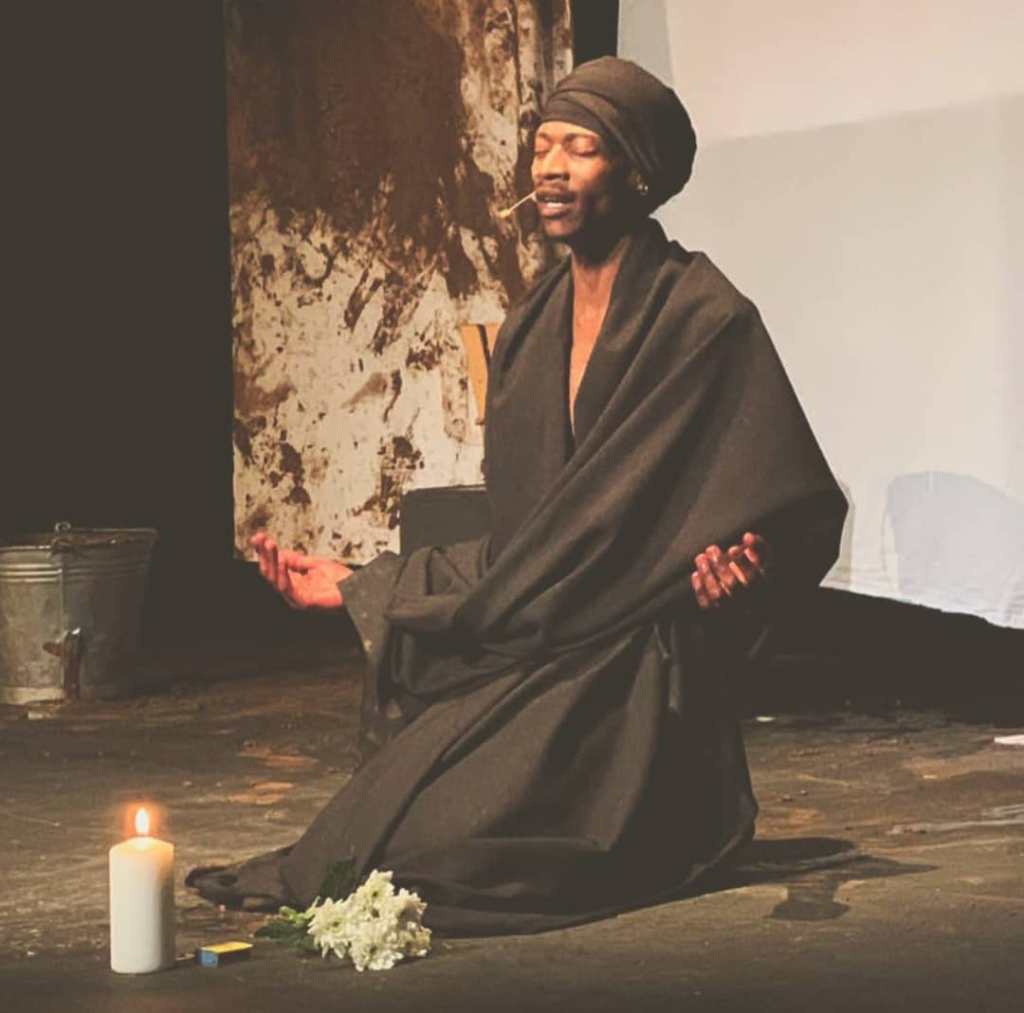
Influences and Themes
Keith’s biggest poetic influences are his ancestors and the resilience of Black people worldwide. He is fascinated by the duality of Black existence—how, despite centuries of oppression, Black communities continue to live fully, dramatically, and with immense cultural richness.
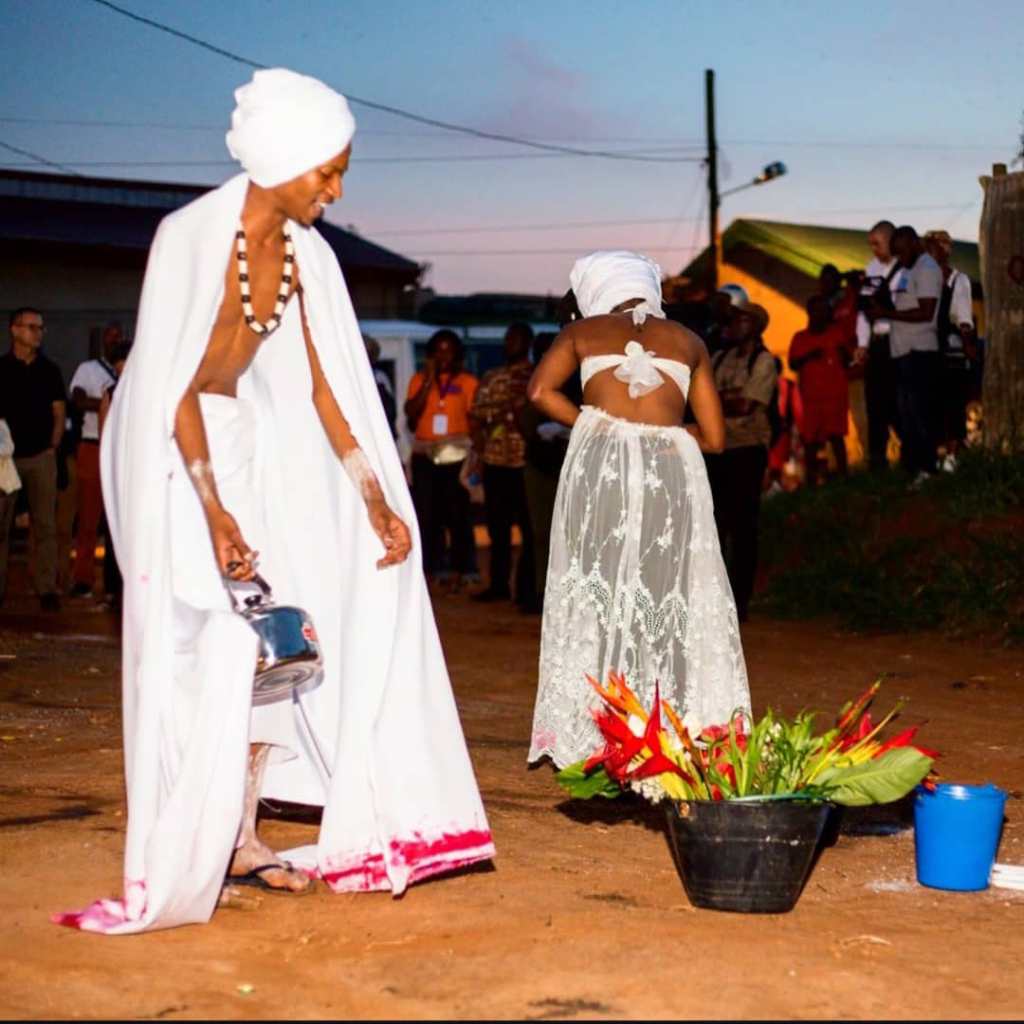
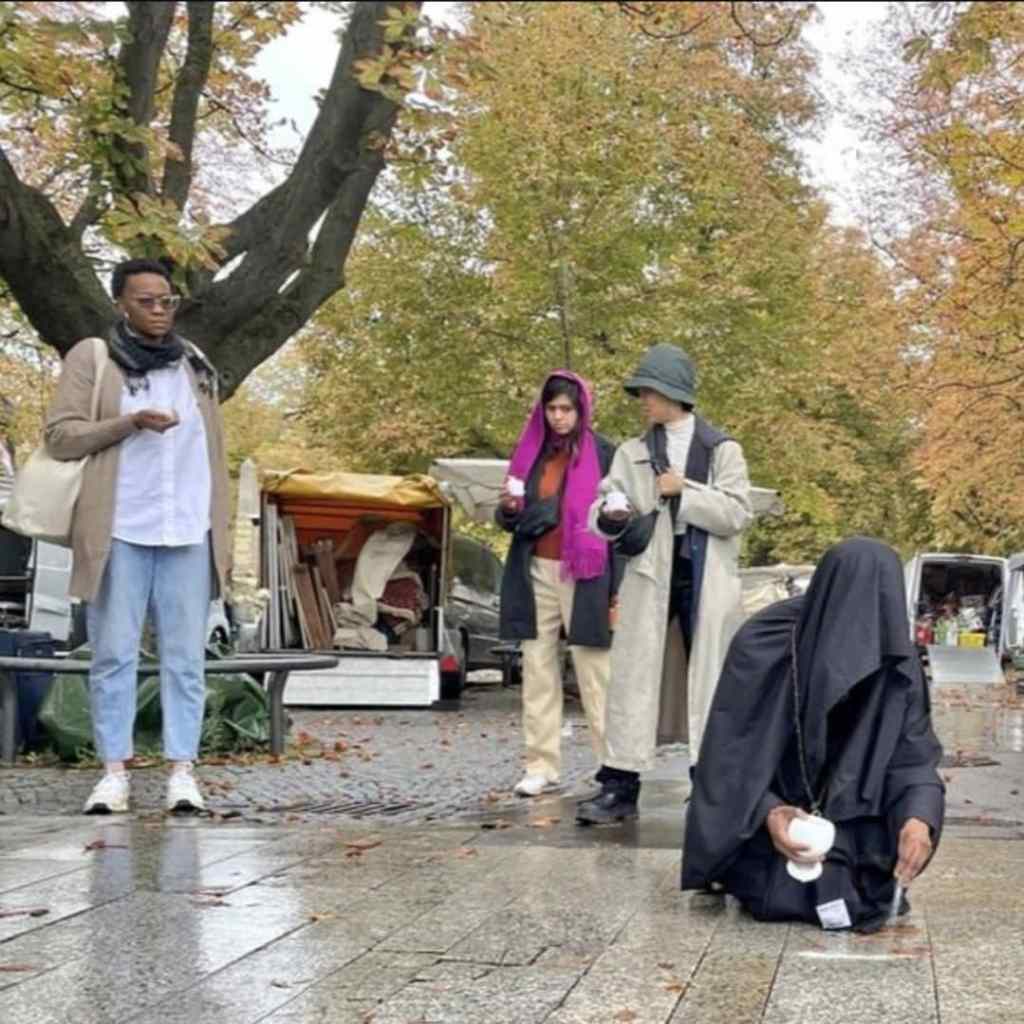
His genocide poetry explores themes of land, blood, colonialism, unmarked graves, generational trauma and the long shadows cast by Shark Island and the Woermann dynasty. Through rigorous research, community consultations and lived experience, he ensures that his work honours the victims and remains historically accurate.
When Keith steps on stage, he does so with one purpose—to honour his ancestors. He avoids external validation, preferring to let his poetry speak for itself. His most memorable performance, Coming Home Dead, debuted in Bloemfontein under extraordinary circumstances. Overcome by a serious knee injury, he could barely walk, yet, with the support of his brother Patrick, he pushed through, and the play became a cornerstone of his work, amplifying the genocide narrative on a global stage.
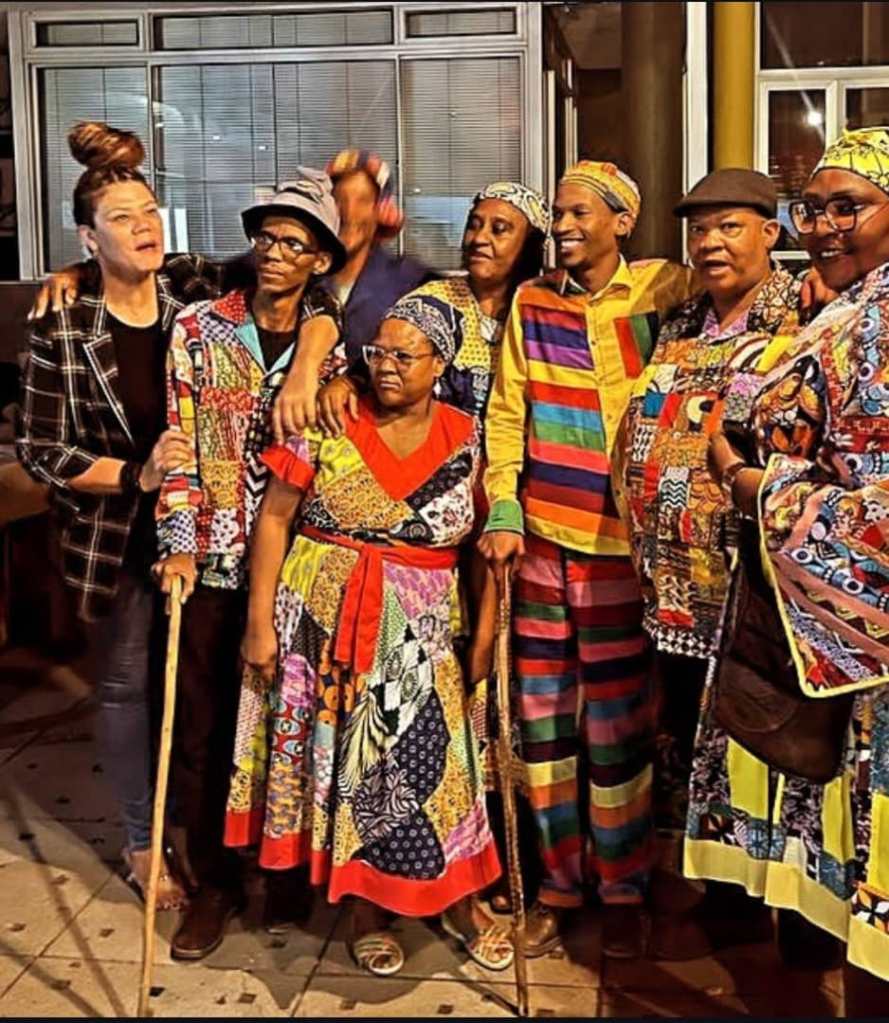
Before performing, Keith grounds himself in joy—spending time with loved ones, laughing, cooking and even enjoying a beer or two. While his poetry carries the weight of history’s horrors, he believes in celebrating the beauty of Black life amidst the pain.
Keith sees poetry as a game-changer in the ongoing discourse around reparations and justice. He collaborates with historians and activists, ensuring his work contributes to Namibia’s collective memory and advocacy efforts. He remains sceptical of government negotiations, questioning their sincerity in addressing historical injustices.
The biggest misconception about genocide in Namibia? That it’s over.
Looking Ahead
Keith wants his audience to engage critically with his work and form their own conclusions about its significance. While he doesn’t actively mentor groups of young poets, he has taken on one mentee and encourages all aspiring poets to write freely and fearlessly. The future of Namibian poetry is bright—new voices are emerging, ready to carry forward the legacy of storytelling and truth-telling. For those seeking to experience his powerful performances or book him for events, Keith can be reached at keithvries@gmail.com. Stay tuned—his next projects promise to be as impactful as ever.
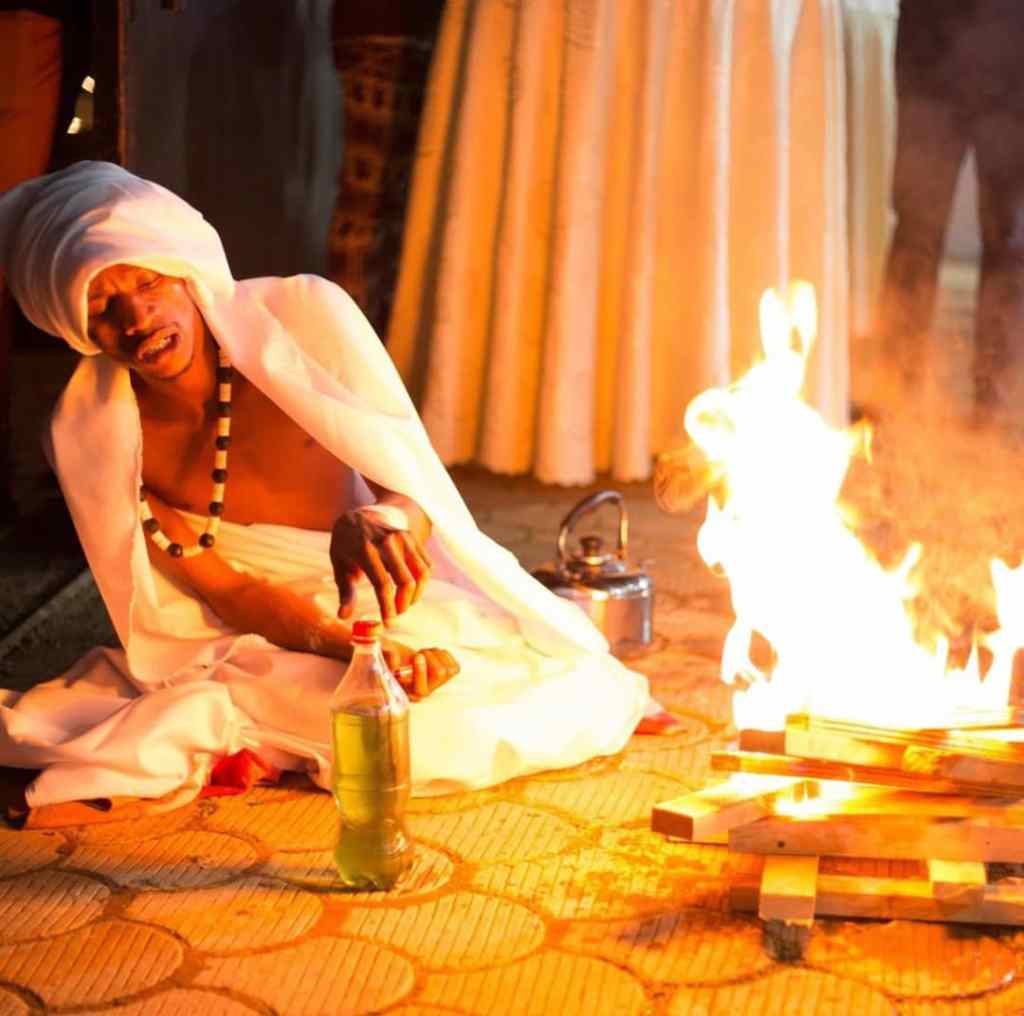


”Celebrating the beauty of black life amidst the pain”🤍 beautiful article.
LikeLike